
It is easy to think of bones as solid, unchanging structures, but they are actually living tissue that is constantly being broken down and rebuilt. Your joints, too, are remarkable systems of cartilage, fluid, ligaments and muscle that allow you to bend, twist, walk and play. Caring for both is one of the best investments you can make in your future independence.
The choices you make today — what you eat, how you move and how you look after your body — all influence how strong your bones stay and how comfortable your joints feel as the years go by. The good news is that it is never too early or too late to start.
Why bone strength matters
Throughout childhood and early adulthood, the body builds bone faster than it breaks it down. Later in life, this balance gradually shifts, and bones can become thinner and more fragile. Strong bones reduce the risk of fractures and help you stay active and confident in everyday life.
Women may experience faster changes in bone density after menopause because of shifts in hormone levels, but men are affected by bone loss too. Building and maintaining bone strength is important for everyone, whatever their age or gender.
Nutrition for strong bones
Calcium is the main building block of bone, and good sources include dairy foods, fortified plant milks, leafy greens, almonds, tofu and canned fish with soft bones. Vitamin D helps your body absorb calcium, and it comes from sensible sun exposure, oily fish, eggs and fortified foods. Protein, magnesium and vitamin K also play valuable supporting roles.
A colourful, balanced diet rich in vegetables, fruit, whole grains and lean protein gives your skeleton the variety of nutrients it needs. Limiting excess alcohol, salt and fizzy drinks, and avoiding smoking, further protects bone health.
Movement that builds strength
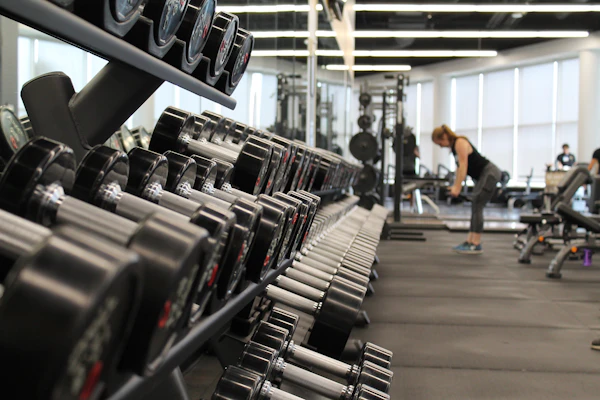
Bones respond to the demands placed on them. Weight-bearing activities such as walking, dancing, hiking and climbing stairs encourage bones to stay strong. Resistance training using body weight, bands or weights builds the muscles that support and protect your joints.
Keeping joints comfortable
Joints love regular, gentle movement because it helps circulate the fluid that keeps them lubricated. Low-impact activities such as swimming, cycling and walking are kind to joints while still building fitness. Maintaining a healthy weight reduces pressure on weight-bearing joints like the knees and hips.
Warm up before exercise, use good posture when sitting and lifting, and listen to your body. Occasional stiffness is normal, but ongoing pain, swelling or reduced movement deserves professional attention so that problems can be addressed early.
Caring for the long run
Strong bones and happy joints are built through steady, everyday habits rather than quick fixes. By eating well, staying active and seeking advice when something feels wrong, you give your body the best chance to carry you comfortably through every stage of life.
For a personalised movement and nutrition plan, explore our Joint and Bone Health service or speak with our General Healthcare team.